Train Hard

Get Stronger!

Stronger Every Day

Lorem Ipsum is simply dummy text of the printing and typesetting industry. Lorem Ipsum has been the industry’s standard dummy text ever since the 1500s,

15+

Years Experiences

About Us

Why Foundational Movement Patterns Matter

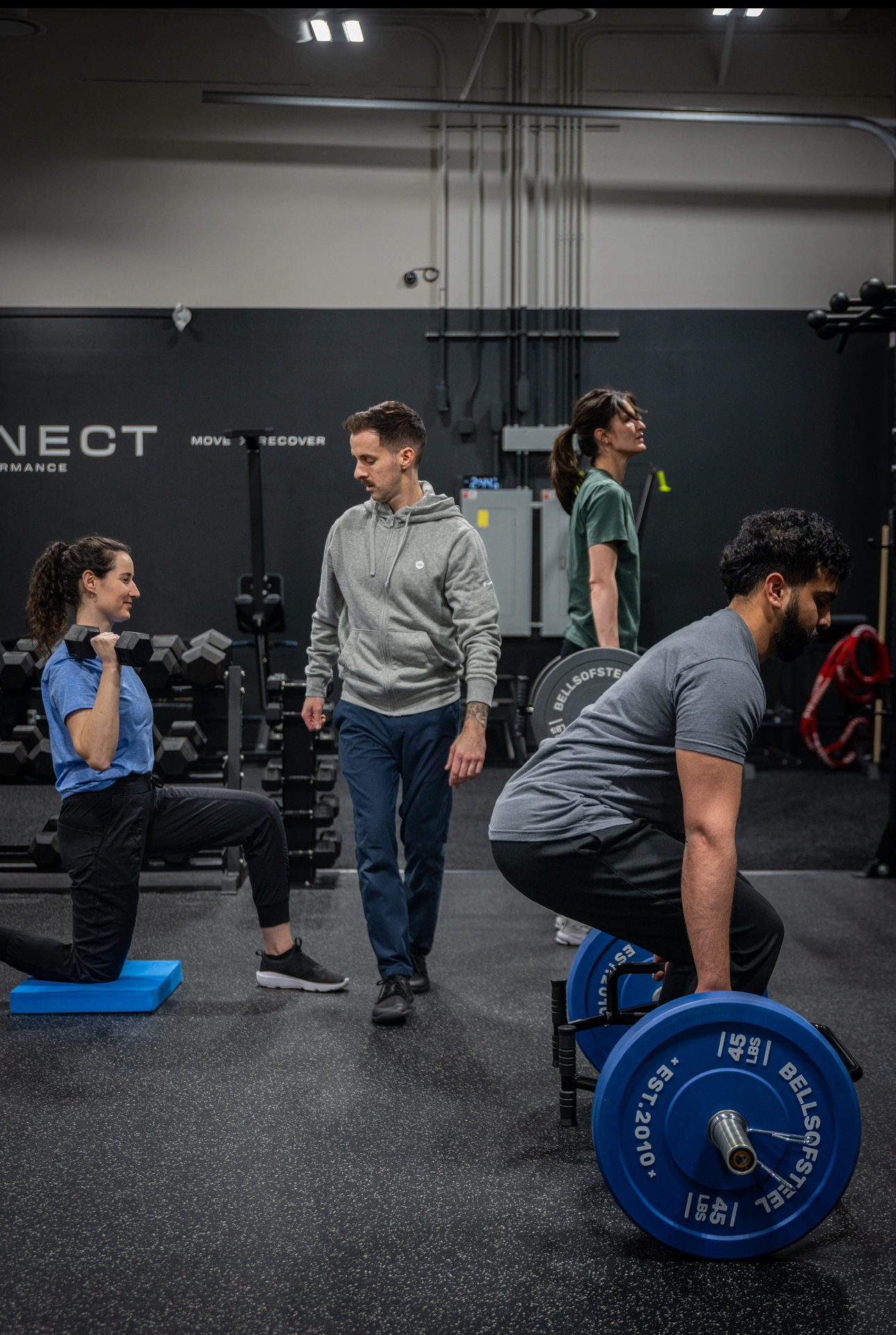
The fundamental movement patterns form the foundation of all strength training and functional movement. Mastering these movements improves strength, mobility, injury prevention, and athletic performance. Whether you’re a beginner or advanced, these patterns are essential for safe and effective training.

Essential Movements

The 7 Foundational Movement Patterns

Master these foundational movements to build strength, mobility, stability, and endurance across your entire body. From squats to carries, each movement targets key muscle groups for balanced, functional fitness.

  • SQUAT – Lower body strength & mobility
  • HINGE – Posterior chain (glutes, hamstrings, lower back)

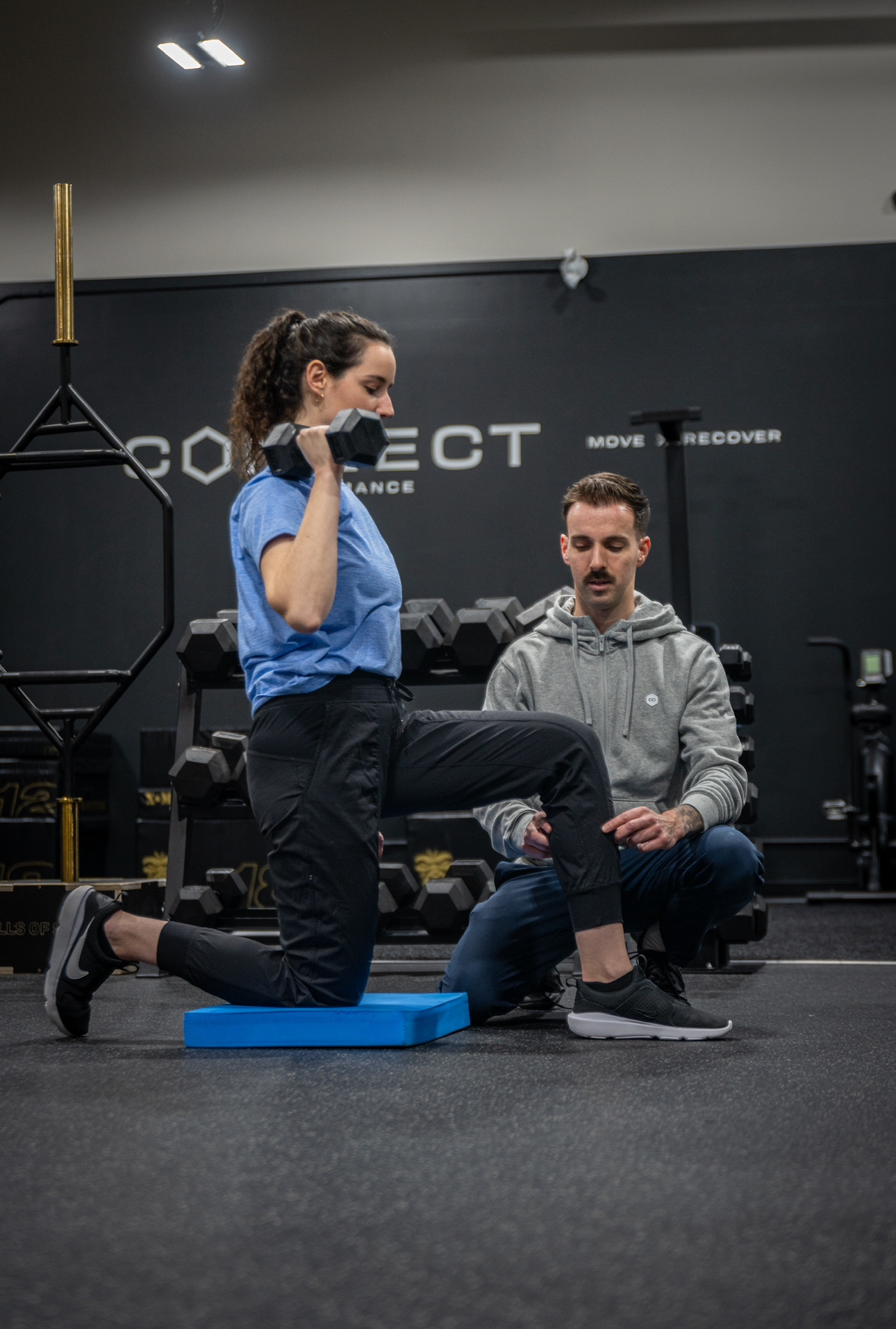
  • LUNGE – Single-leg stability & balance
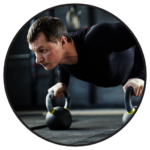
  • PUSH – Upper body pressing strength

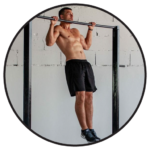
  • PULL– Upper body pulling & posture

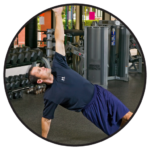
  • ROATATION – Core control & athletic power

  • CARRY – Grip strength, core stability, and endurance
Lower Body Strength & Mobility

Why It’s Important

Essential for leg strength, mobility, and athletic power. Mimics daily movements like sitting and standing.

Key Muscles

Quads, hamstrings, glutes, core

Examples

Bodyweight squat, goblet squat, barbell squat

Posterior Chain Strength

Why It’s Important

Strengthens the glutes, hamstrings, and lower back, preventing injury and improving athleticism.

Key Muscles

Glutes, hamstrings, lower back

Examples

Deadlifts, kettlebell swings, Romanian deadlifts

Single-Leg Strength & Balance

Why It’s Important

Enhances balance, coordination, and lower-body stability, crucial for injury prevention and sports performance.

Key Muscles

Quads, glutes, hamstrings, core

Examples

Forward lunges, reverse lunges, Bulgarian split squats

Upper Body Pressing Strength

Why It’s Important

Develops upper body strength, shoulder stability, and pressing power.

Key Muscles

Chest, shoulders, triceps

Examples

Push-ups, bench press, overhead press

Upper Body Strength & Posture

Why It’s Important

Strengthens the back, improves posture, and balances pushing movements.

Key Muscles

Lats, traps, biceps, rear delts

Examples

Pull-ups, rows, face pulls

Core Control & Athletic Power

Why It’s Important

Improves core strength, spinal stability, and athletic movement.

Key Muscles

Obliques, deep core muscles, glutes

Examples

Russian twists, cable chops, med ball rotational throws

Grip Strength & Core Stability

Why It’s Important

Enhances grip strength, core stability, and functional endurance.

Key Muscles

Core, shoulders, forearms

Examples

Farmer’s carries, suitcase carries, overhead carries

Final Takeaways

Key Takeaways for Strength and Injury Prevention

Mastering these foundational movements enhances strength, mobility, and stability while preventing injuries. Prioritize movement quality over intensity for long-term progress.

  • Mastering these movement patterns builds a stronger, more resilient body.

  • Improving mobility, stability, and strength in these areas prevents injuries.

  • Focus on movement quality before adding weight or intensity.

Want to improve your movement? Start training with intention today!

FAQS

Frequently Asked Questions

Initial appointment are 1 hour, follow up appointments depend on your specific needs and practitioner.

In almost all cases, yes. Although, there may be times when imaging or a different diagnostic intervention is required before proceeding with treatments.

This depends on many factors; your therapist will provide recommendations based on your specific needs and goals. Many of our clients like to come in every 4-6 weeks for maintenance after full recovery in order to maintain their health.

Our chiropractors and physiotherapists are fully trained to deal with any injury but you may have a preference. We recommend reading their bios and if you have further questions please reach out to us.

Yes, our chiropractors and physiotherapists are trained in and qualified to assess and treat injuries sustained in a motor vehicle accident.

Yes, you always have the final say in exactly what happens in your appointment. Our team of chiropractors and physiotherapists have a wide set of skills to help you with your pain no matter what your preference is. They will give you a diagnosis and plan, and explain the pros and cons to each, every treatment will be discussed with you before it happens.

Many physiotherapists and chiropractors practice differently and have different standards. We are evidence based and always learning. Our entire clinical team is dedicated to helping you resolve your pain and reach your goals as quickly as possible, caring about your outcome just as much (if not more) than you. If you are not responding to a trial of care as expected, you will be referred to the proper next step.

Testimonials

What Our Clients Say?

partners

trusted partners

Get In Touch